


Digital marketing in 2026 is no longer just about running ads or posting content on social media. It has evolved into a data-powered ecosystem driven by artificial intelligence, automation, and predictive analytics. For local businesses across Canada and beyond, adapting to this transformation is no longer optional — it is critical for survival.
From small retail stores to service-based companies, businesses are realizing that traditional advertising methods cannot compete with intelligent digital strategies that deliver measurable returns.
The Rise of AI-Powered Marketing
Artificial intelligence has moved from experimental technology to practical business tool. Today, AI helps companies:
- Analyze customer behavior patterns
- Predict buying intent
- Automate advertising campaigns
- Personalize website experiences
- Optimize email marketing performance
Instead of relying on guesswork, businesses now use real-time data to guide decisions. Machine learning systems can determine what content performs best, when audiences are most active, and which offers drive conversions.
This significantly reduces wasted marketing budgets and improves overall efficiency.


Data Is the New Competitive Advantage
In the past, advanced analytics tools were reserved for large corporations. Today, cloud-based platforms make sophisticated insights accessible to small and medium-sized businesses.
Companies can now track:
- Customer acquisition costs
- Conversion rates
- Funnel drop-offs
- Geographic performance
- Cross-device user behavior
Data enables smarter decisions. Instead of spending blindly, businesses invest in channels that generate measurable revenue.
Those that embrace analytics gain a competitive edge over businesses still relying on traditional advertising alone.
Hyper-Targeted Local Marketing
One of the biggest transformations in 2026 is precision targeting. Advertising platforms now allow businesses to reach users based on:
- Exact geographic radius
- Search intent
- Online behavior
- Device usage
- Demographic signals
This is especially important in competitive cities where audience targeting must be strategic.
Many companies now seek professional support such as digital marketing services Calgary to structure campaigns tailored to local trends and consumer behavior.
Localized strategies ensure that marketing budgets focus on users most likely to convert rather than broad, undefined audiences.
Automation Is Reducing Manual Work
Marketing automation tools eliminate repetitive tasks and improve efficiency. Modern platforms can:
- Automatically follow up with leads
- Segment customers by behavior
- Retarget website visitors
- Adjust ad bids in real time
- Send personalized email sequences
Automation does not remove the human element — it enhances it. Businesses can focus on strategy and creativity while technology handles repetitive processes.
For small and medium-sized companies, automation creates opportunities to compete with larger brands.
The Shift Toward Performance-Based Marketing
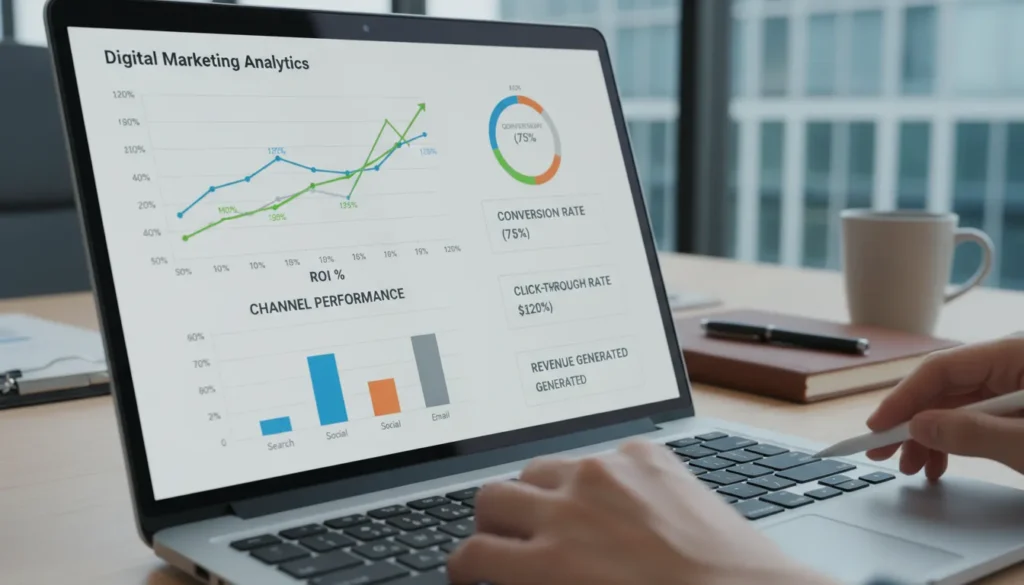
In 2026, marketing success is measured by performance — not vanity metrics.
Businesses now prioritize:
- Cost per lead
- Return on ad spend (ROAS)
- Revenue attribution
- Customer lifetime value
Every marketing decision must justify its cost. Companies that fail to track performance risk overspending without understanding what drives actual revenue.
Performance-based strategies ensure sustainable growth.
Content Still Matters — But Strategy Matters More
Content remains central to digital marketing, but strategy determines its effectiveness.
Successful content marketing in 2026 involves:
- Search intent research
- Structured topic clusters
- Conversion-focused website design
- Continuous optimization
Traffic alone is not enough. Businesses need qualified visitors who convert into leads and customers.
The Future: Predictive and Personalized Marketing
Looking ahead, marketing will become increasingly predictive. AI systems can already anticipate user behavior based on browsing patterns and historical data.
Predictive analytics enables businesses to:
- Identify purchase timing
- Recommend relevant products or services
- Optimize pricing strategies
Websites are becoming dynamic, adjusting messaging and offers in real time based on user behavior.
The businesses that integrate technology, analytics, and personalization into one cohesive strategy will lead the next phase of digital growth.
Final Thoughts
AI, automation, and advanced analytics are no longer optional tools — they are foundational components of modern marketing strategies.
Local businesses that adapt to data-driven systems gain efficiency, clarity, and competitive advantage. Those that delay risk losing relevance in an increasingly intelligent marketplace.
In 2026 and beyond, success belongs to businesses that combine technology with strategic execution and measurable performance.