


MSI has introduced the MPG 272QRF X36, a 27-inch gaming monitor built for competitive play. This model stands out as one of the first to feature NVIDIA’s G-SYNC Pulsar technology.
Key Specifications
The monitor uses a Rapid IPS panel with WQHD resolution (2560 x 1440). It delivers a 360Hz refresh rate and a 0.5ms (GtG, Min.) response time. These specs suit fast-paced genres like FPS, fighting games, and esports titles.
G-SYNC Pulsar combines variable refresh rate (VRR) with variable-frequency backlight strobing. This setup provides up to 4x effective motion clarity compared to standard displays, while keeping gameplay smooth and free of tearing or stuttering. It requires a DisplayPort connection, an NVIDIA GeForce RTX GPU, and the feature enabled.
The display also includes G-SYNC Ambient Adaptive Technology. A built-in light sensor adjusts brightness and color temperature based on room lighting. This helps maintain consistent visuals and reduces eye strain in different environments.
Other features include:
- Support for HDR with low latency, meeting NVIDIA G-SYNC standards.
- Advanced color customization options.
- Versatile aspect ratio modes, including a “25 Mode” for pixel-perfect scaling at resolutions like 2368 x 1332, 1920 x 1080, and 1280 x 960.
- User-updatable firmware directly from NVIDIA (via a dedicated USB port). An upcoming update will expand the Pulsar VRR range from 75-360Hz to 48-360Hz.

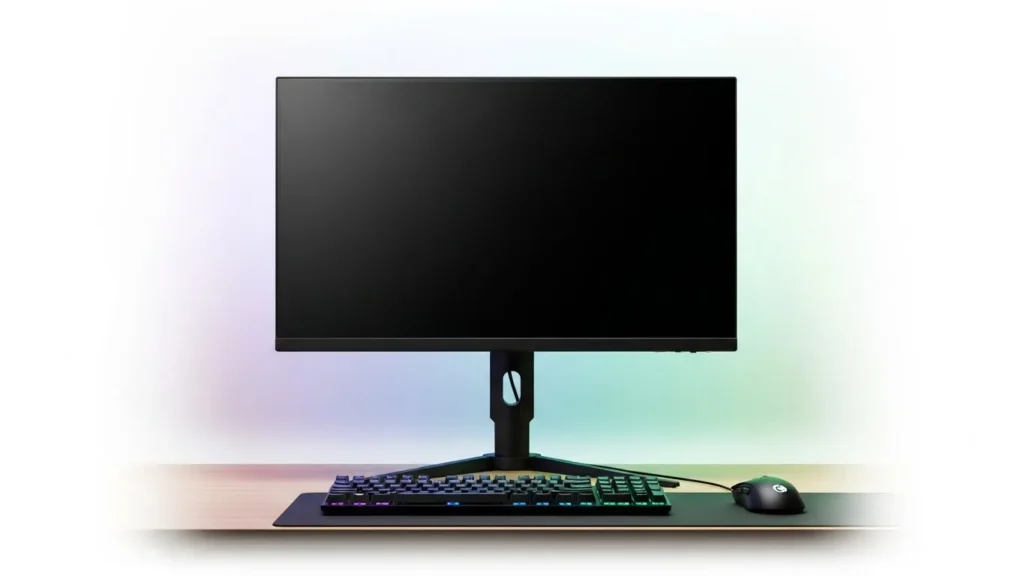
Connectivity covers DisplayPort 1.4a and two HDMI 2.1 ports. The stand allows tilt, height, swivel, and rotation adjustments.
Availability and Pricing
MSI unveiled the MPG 272QRF X36 at CES 2026, with availability starting around January 7, 2026. It carries an MSRP of $649.99 in the US.
This monitor targets players who need clear, responsive visuals in high-speed competition. It marks a step forward in combining motion clarity with variable refresh rate support.
Also Read: Apple’s Next MacBook Pro Gets Samsung’s Best OLED Yet