

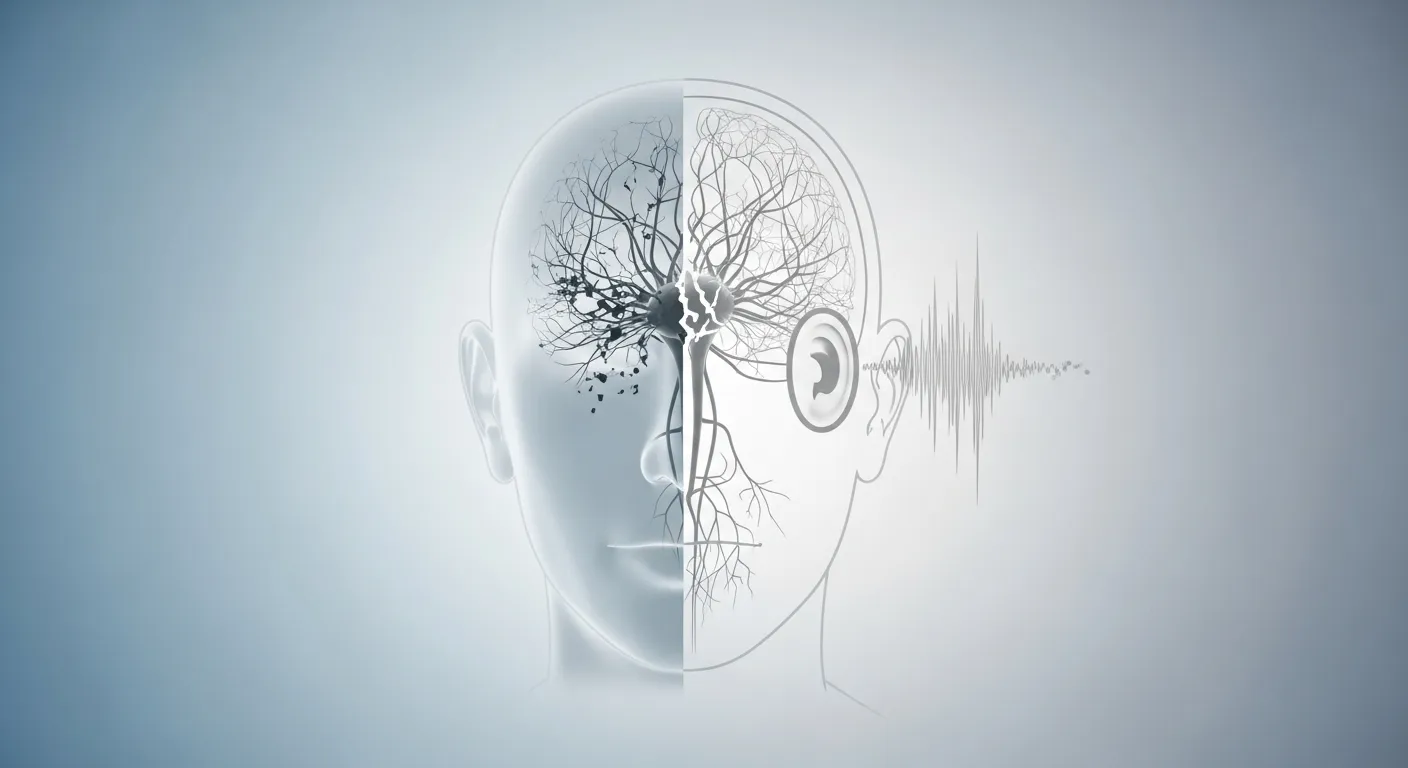
Hearing loss often develops gradually. Many notice it only after it interferes with daily conversations or work. When left untreated, it places extra demands on the brain and contributes to broader health changes over time.
Effects on the Brain
The brain depends on steady sound input to maintain its usual activity levels. Reduced hearing means less stimulation reaches the auditory areas. Over years, this leads to measurable changes.
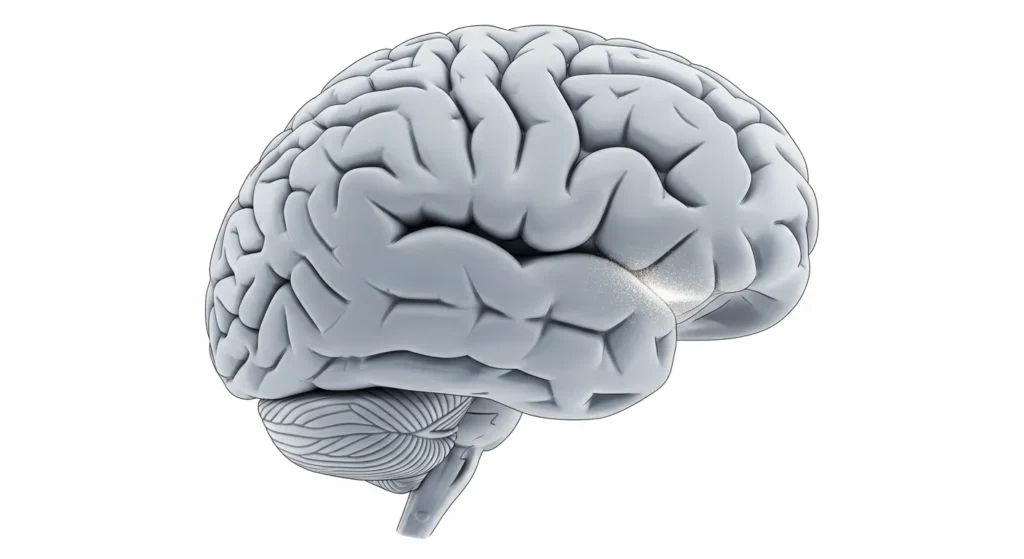
Studies show reduced gray matter volume in the temporal lobe, specifically in regions that process sound and speech. This shrinkage occurs as auditory input declines.
The brain also works harder to fill in missing sounds. This extra effort, known as cognitive load or effortful listening, draws resources away from memory, attention, and problem-solving. In noisy settings, people may miss details or feel tired after short talks.
Long-term auditory deprivation can trigger brain plasticity shifts. Other areas may help with language tasks, but this compensation does not fully replace lost function and may accelerate decline.
Large cohort studies link untreated hearing loss to faster cognitive decline. Mild loss roughly doubles dementia risk. Moderate loss triples it, and severe loss raises it fivefold, according to long-term tracking of hundreds of adults.

Mental Health and Social Effects
Hearing difficulties often reduce participation in conversations and group activities. This gradual withdrawal leads to loneliness and social isolation.
People with untreated hearing loss face higher odds of depression. The constant strain and missed connections contribute to frustration, low mood, and emotional loneliness.
Isolation also limits mental stimulation from social contact. Over time, these factors compound the cognitive strain already present.
In many communities, early support makes a difference. For those in Calgary, local options such as deaf and hard of hearing services Calgary provide specialized care to evaluate and manage hearing concerns before effects worsen.
Broader Health Risks
Hearing loss affects balance by limiting subtle environmental sound cues. The brain divides attention between sound processing and stability, raising fall risk in older adults.
Research connects untreated hearing loss to higher rates of hospitalization and overall healthcare use. It also correlates with increased chances of diabetes, cardiovascular disease, and mortality.
One analysis found people with untreated loss had about 50 percent greater dementia risk and 40 percent higher depression risk over a decade, along with elevated costs.
Key Points to Remember
- Brain regions for hearing and language show reduced gray matter and faster atrophy.
- Cognitive resources shift toward listening effort, limiting memory and thinking capacity.
- Social isolation raises depression and loneliness.
- Physical risks include falls, heart disease, diabetes, and higher hospitalization rates.
- Dementia risk rises significantly with severity of loss.
Addressing hearing concerns promptly can limit these outcomes. Regular checks, hearing devices when appropriate, and support services help maintain connections and brain activity. Consult a qualified provider to discuss your situation and next steps.


